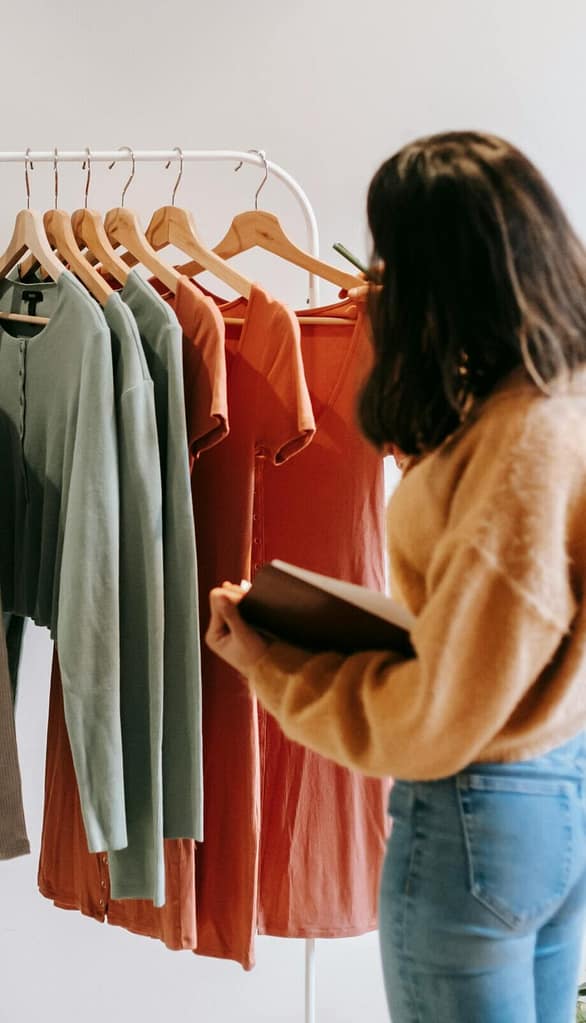
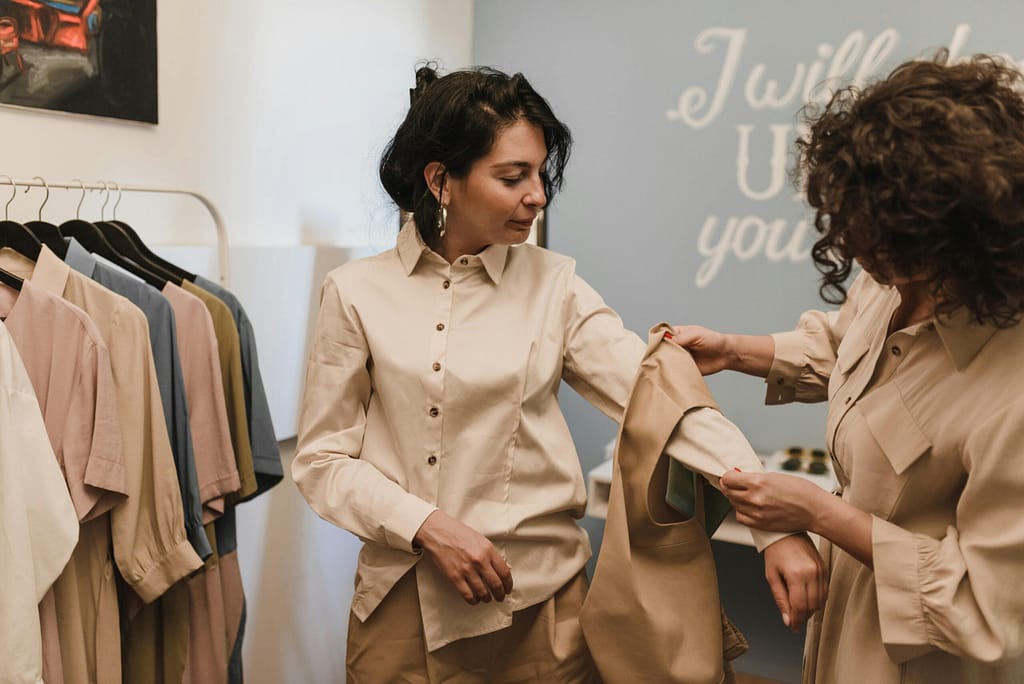
Moreover, uniforms are often the first thing people notice about a team.
Additionally, well-designed uniforms project professionalism, strengthen brand identity, and foster unity among employees.
But ordering customized uniforms can sometimes feel complicated. Additionally, you may have questions about the design, fabric, quantity, pricing, sizes, fitting, branding, and delivery.
Moreover, ordering customized uniforms does not have to be difficult or expensive. With the right information and a simple process, businesses can order uniforms according to their actual requirements—even when they need a relatively small quantity.
First, start with your uniform requirement.
The first step is to clearly decide what type of uniform you need.
Think about where and how the uniform will be used. For example, you may need:
- Corporate uniforms
- Medical scrubs
- Hospital uniforms
- Restaurant or chef uniforms
- Hotel uniforms
- Front-office uniforms
- Promotional T-shirts
- Workwear
- Event uniforms
- Customized shirts, trousers, jackets, or other garments
You can share your existing design, a reference photograph, a sketch, or even a basic idea of what you want.
If you already have a logo, brand colors, embroidery artwork, printing requirements, or a particular fabric in mind, share those details at the beginning. This makes it easier to understand the complete requirement and work toward an accurate quotation.
- Choose a Quantity That Matches Your Requirement
One of the biggest advantages of working with a small-batch customized uniform manufacturer is that you don’t always need to place a very large order.
For a small business, clinic, restaurant, startup, school activity, event, or new team, ordering thousands of pieces may not make financial sense.
Instead, you can begin with the quantity you actually need.
Ordering according to your immediate requirement can help reduce unnecessary inventory, storage costs, and the risk of being left with unused uniforms when employee sizes or requirements change.
At the same time, larger quantities can often provide better per-piece pricing because manufacturing becomes more efficient.
The objective should not simply be to order the largest possible quantity. It should be to find a quantity that provides a practical balance between price, requirement, and future usage.
However, understand what determines the cost.
The cost of a customized uniform depends on several factors rather than just the garment itself.
Important factors include:
- Fabric type and quality
- Garment design
- Number of panels and construction details
- Printing or embroidery
- Buttons, zippers, piping, or other accessories
- Quantity ordered
- Packaging requirements
- Special finishing or branding
- Size range
If affordability is important, discuss your budget before finalizing the design. A good manufacturer can suggest alternative fabrics, construction methods, or branding options that may help achieve the desired appearance without unnecessarily increasing the cost.
A professional-looking uniform does not always require the most expensive fabric or complicated construction. The right combination of design, fabric, and quantity can make customized uniforms much more cost-effective.
- Getting the Right Size Is Extremely Important
A beautiful uniform can still look uncomfortable if the size is wrong.
For customized uniforms, don’t simply guess the size based on S, M, L, XL, or XXL. Different manufacturers use different size charts, and even the same labeled size can have different measurements.
The safest approach is to provide actual body measurements and confirm the manufacturer’s size chart before production.
How to Measure Chest
Next, take a flexible measuring tape and stand naturally. However, do not pull your stomach in or inflate your chest.
First, place the tape around the fullest part of your chest. Keep the tape horizontal and make sure it is comfortably touching the body without squeezing.
For example, suppose your actual chest measurement is:
Chest = 40 inches
Do not automatically order a garment with a 40-inch finished chest. A garment normally needs some additional room, known as ease, to allow the person to breathe, move, sit, bend, and work comfortably.
For a regular-fit uniform, you might consider approximately 3–4 inches of ease, depending on the garment design and fabric.
So:
Body chest = 40 inches
Ease = 4 inches
Finished garment chest = approximately 44 inches
However, the required ease is not the same for every garment.
A fitted shirt may require less ease, while a relaxed work wear shirt, chef coat, jacket, or uniform intended for active movement may need more room.
This is why the final measurement should always be confirmed against the manufacturer’s measurement chart and the intended fit.
- Consider How the Uniform Will Be Used
Fit is not only about measurements. It is also about movement.
A receptionist may prefer a more structured and fitted uniform, while a chef, doctor, warehouse worker, technician, or other active employee may need additional freedom of movement.
Consider whether employees will need to:
- Bend frequently
- Stretch or reach
- Wear another garment underneath
- Carry equipment
- Work in hot conditions
- Sit for long periods
- Move continuously during work
These factors can influence the appropriate fit and fabric selection.
- Confirm a Sample Before Full Production
When the design or fit is important, developing a sample before bulk production can be a useful step.
A sample allows you to check the:
Fit → Fabric → Color → Branding → Stitching → Comfort → Overall appearance
If something needs to be changed, it is much easier to make adjustments at the sample stage than after the entire order has been manufactured.
For customized uniforms, sample development is generally handled as a paid development stage, with the final production proceeding after approval.
- Confirm the Order and Production Details
Once the design, fabric, sizes, quantity, branding, and pricing are finalized, the order can be confirmed.
Before production begins, make sure you have clarity on:
- Final quantity
- Size ratio
- Approved sample
- Fabric
- Color
- Logo placement
- Branding method
- Packaging
- Production timeline
- Payment terms
- Delivery details
Keeping these details confirmed in writing helps avoid misunderstandings and ensures that everyone is working from the same specifications.
A Simple Way to Start
You don’t need to have a complete technical specification ready before approaching a customized uniform manufacturer.
You can simply start with:
- What uniform do you need?
- How many pieces do you need?
- Do you have a reference design or image?
- What branding or logo is required?
- What sizes are required?
- What is your preferred fabric, if any?
- What is your expected delivery requirement?
From there, the manufacturer can help you work through the remaining details.
Customized Doesn’t Have to Mean Expensive
Customized uniforms are no longer limited to large companies placing thousands of pieces. Small businesses and growing teams can also create professional uniforms according to their actual requirements.
The key is to choose the right design, avoid unnecessary features, select a practical fabric, order an appropriate quantity, and pay careful attention to measurements and fit.
At GA Apparels, we work with businesses looking for customized uniforms and small-batch production. You can share your design, reference image, sketch, or requirement, and we can work with you on the garment development, sizing, branding, and production process.
Your uniform should fit your people, represent your brand, and make sense for your budget.